

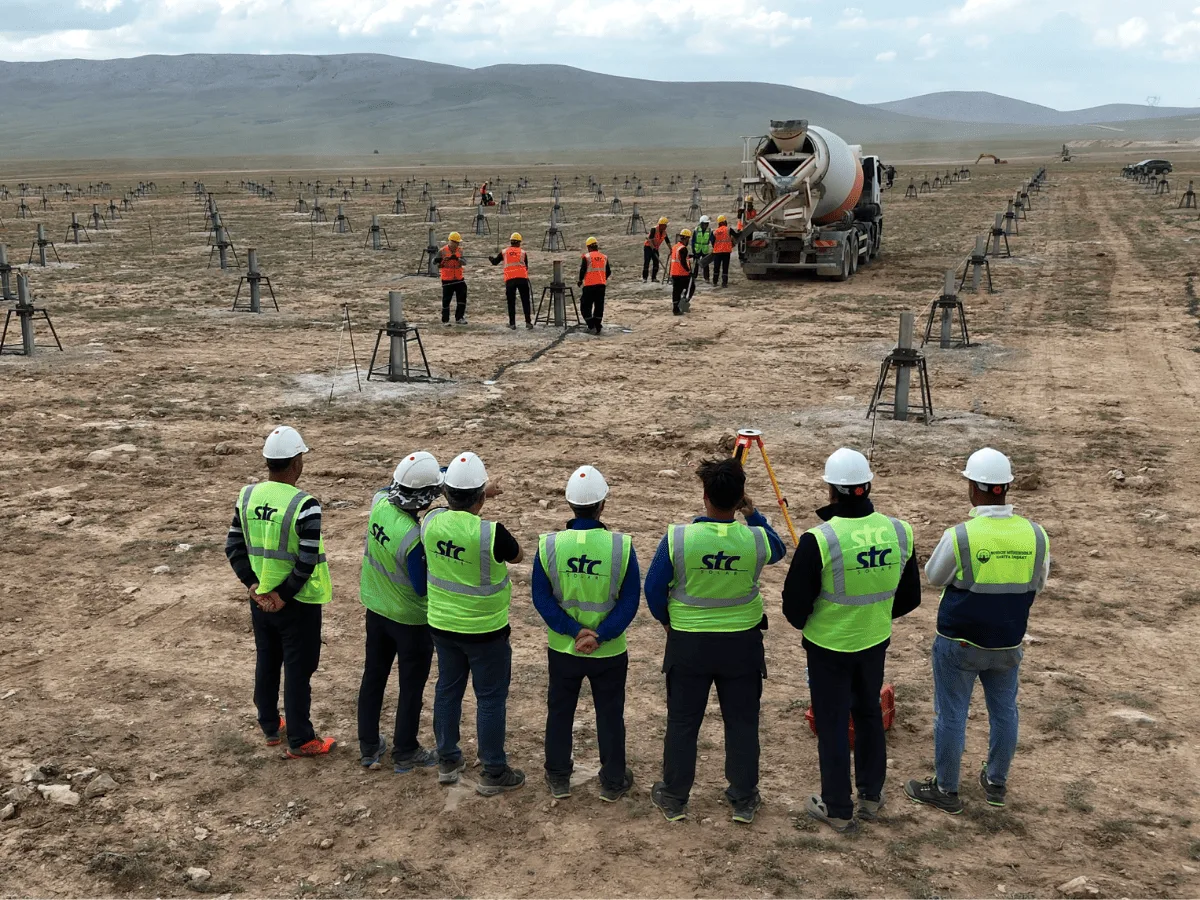
Occupational Health and Safety in Excavation and Infrastructure Projects
Excavation and infrastructure operations involve heavy construction machinery, varying ground conditions, and activities that require careful planning. Occupational health and safety is one of the most important considerations in foundation excavation, road construction, trenching, excavated material transportation, and site preparation.
In professional excavation projects, identifying risks in advance, determining appropriate working methods, and implementing necessary safety measures are essential. Well-organized site operations contribute to worker protection and the safe execution of construction activities.
Why Is Occupational Safety Important in Excavation Works?
Excavation operations may involve various hazards, including ground movement, excavation collapse, construction machinery movements, falls, and potential impacts on surrounding structures.
To reduce these risks, site conditions must be assessed before work begins, hazards must be identified, and suitable control measures must be planned.
Occupational health and safety practices are important not only for protecting workers but also for safeguarding nearby people and structures.
Essential Safety Measures at Excavation Sites
Appropriate safety measures must be implemented according to the characteristics of foundation, basement, and infrastructure excavation sites.
Ground Assessment: Ground characteristics, stability, and groundwater conditions must be evaluated before excavation.
Excavation Slopes and Support Systems: Suitable sloping or excavation support systems must be determined according to excavation depth and ground conditions, based on engineering principles.
Work Area Restrictions: Necessary barriers, warning signs, and safe access arrangements must be established around excavation areas.
Underground Utility Checks: The locations of electricity, natural gas, water, and communication lines must be investigated before excavation begins.
Material and Machinery Positioning: Excavated materials and heavy construction machinery must be positioned to avoid creating additional collapse risks near excavation edges.
Regular Site Inspections: Changing conditions such as rainfall, vibration, water accumulation, and ground movement must be evaluated.
Particularly in deep excavation operations, work must not begin without the necessary engineering assessments.
Safety in Construction Machinery Operations
Excavators, wheel loaders, motor graders, road rollers, and dump trucks are essential equipment in excavation and infrastructure projects.
Safe operation requires appropriately qualified operators and regular maintenance and inspections of machinery.
Machinery Inspections: The general condition, hydraulic systems, brakes, and safety equipment of machinery must be checked before operation.
Safe Operating Areas: Unauthorized personnel must be prevented from entering machinery operating and turning areas.
Operator and Site Communication: Clear and effective communication must be maintained between machine operators and site workers.
Loading Safety: When loading trucks using excavators and wheel loaders, vehicle positioning, loading capacity, and the safety of nearby personnel must be considered.
Visibility and Blind Spots: Appropriate site arrangements and traffic control measures must be implemented to address machinery blind spots.
Suitable equipment selection and safe operating procedures help reduce machinery-related risks.
Occupational Safety in Excavated Material Transportation
During excavation transportation, dump trucks must be loaded safely, travel along appropriate routes, and unload materials under controlled conditions.
Vehicles must not exceed permitted load capacities, transported materials must be secured to prevent spillage onto roads, and internal construction site traffic must be properly organized.
Particular attention must be paid to worker safety in areas where trucks perform reversing maneuvers, with suitable guidance and control measures in place.
During unloading operations, ground stability, vehicle positioning, and surrounding obstacles must be checked.
Key Safety Considerations in Infrastructure and Trench Excavation
Excavations for water supply, sewerage, electricity, and communication lines may present additional risks due to restricted working areas and existing underground utilities.
Appropriate protective measures must be established against trench collapse, and safe access and exit arrangements must be provided for workers.
Necessary information and permits must also be obtained to prevent damage to existing utility lines, and excavation methods must be planned accordingly.
Where confined spaces or potentially hazardous atmospheres may be present, additional risk assessments and safety precautions are required.
Personal Protective Equipment and Worker Training
Workers involved in excavation and infrastructure projects must use personal protective equipment appropriate to their tasks and identified risks.
Hard hats, high-visibility clothing, suitable safety footwear, gloves, eye protection, and hearing protection are among the protective equipment used depending on working conditions.
However, personal protective equipment does not replace collective protection measures or engineering safety controls.
Providing occupational safety information, explaining machinery operating procedures, and preparing for emergencies are essential elements of a safe working culture.
The Importance of Safe Site Organization
Effective coordination between construction machinery, transportation vehicles, and site personnel is important for establishing safe working conditions in excavation and infrastructure projects.
Separating vehicle and pedestrian routes wherever possible, maintaining organized work areas, and planning loading and unloading zones help reduce operational risks.
Adjusting work schedules according to site conditions and continuously evaluating changing risks contribute to more controlled operations.
Professional Excavation and Infrastructure Services in Karaman
At Birlik Excavation, we provide professional solutions for foundation and basement excavation, excavated material transportation, road construction, ground preparation, and site development projects in Karaman.
With our extensive machinery fleet and experienced team, we prioritize well-planned and coordinated operations by evaluating the working conditions of each project.
Contact us for information and a quotation tailored to your excavation and infrastructure project requirements in Karaman.